
Boost Your Mood: Daily Habits for Moms to Enhance Gut Health and Happiness

Every mom knows how challenging it can be to juggle family, work, and personal time. Stress and fatigue often take a toll on mood and energy. What many don’t realize is that gut health plays a crucial role in emotional well-being. The gut and brain communicate closely, influencing mood, stress levels, and even happiness. By adopting simple daily habits, moms can support their gut health and boost their overall happiness.

Why Gut Health Matters for Moms’ Mood
The gut contains trillions of bacteria that help digest food, produce vitamins, and regulate the immune system. This community of microbes, called the gut microbiome, also produces neurotransmitters like serotonin, often called the “feel-good” chemical. Research shows that a balanced gut microbiome can reduce anxiety and depression symptoms.
For moms, maintaining gut health is especially important because:
Stress from parenting can disrupt gut bacteria balance.
Poor digestion can lead to fatigue and irritability.
A healthy gut supports better sleep and energy levels.
Focusing on gut health is a practical way to improve mood and resilience during busy days.
Simple Daily Habits to Support Gut Health
1. Eat More Fiber-Rich Foods
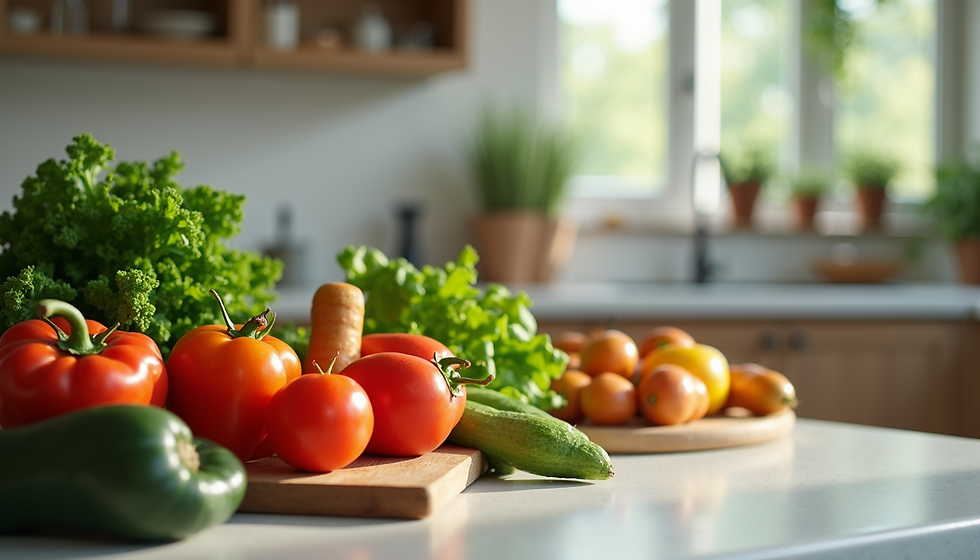
Fiber feeds the good bacteria in your gut. Aim to include a variety of fruits, vegetables, whole grains, nuts, and seeds in your meals. Examples:
Add berries or sliced apples to your breakfast oatmeal.
Snack on carrot sticks or a handful of almonds.
Choose whole-grain bread or brown rice instead of refined grains.
Fiber not only supports digestion but also helps keep blood sugar stable, which can prevent mood swings.
2. Include Fermented Foods
Fermented foods contain live probiotics that boost gut bacteria diversity. Try to add these to your diet regularly:
Yogurt with live cultures
Sauerkraut or kimchi
Kefir or kombucha
Even a small daily serving can improve digestion and mood over time.
3. Stay Hydrated
Water helps fiber do its job and keeps digestion smooth. Dehydration can cause fatigue and irritability, so drinking enough water is key. Keep a water bottle handy and sip throughout the day.
4. Manage Stress with Mindful Practices
Stress negatively affects gut bacteria and digestion. Incorporate simple stress-relief habits such as:
Deep breathing exercises for 5 minutes daily
Gentle yoga or stretching
Short walks outside to clear your mind
These activities calm the nervous system and support gut health.

5. Prioritize Sleep
Sleep deprivation disrupts gut bacteria and increases stress hormones. Aim for 7 to 8 hours of quality sleep by:
Keeping a consistent bedtime routine
Avoiding screens 1 hour before bed
Creating a cool, dark, and quiet sleep environment
Better sleep improves mood and digestion.
6. Limit Processed Foods and Sugar
Highly processed foods and excess sugar feed harmful bacteria and cause inflammation. Try to reduce:
Sugary snacks and drinks
Fast food and fried items
Packaged snacks with artificial ingredients
Instead, focus on whole, natural foods that nourish your gut and body.
How to Make These Habits Stick
Building new habits can be tough with a busy schedule. Here are some tips to help:
Start small: Add one new habit at a time, like drinking an extra glass of water daily.
Plan meals: Prepare fiber-rich and fermented foods ahead to avoid last-minute unhealthy choices.
Use reminders: Set phone alarms or notes to practice deep breathing or drink water.
Involve the family: Make healthy eating and relaxation a family activity to stay motivated.
Consistency is more important than perfection. Over time, these habits will become part of your routine and support your mood and gut health.





Comments